Understanding the Basics of Remodeling
What is Remodeling?
Remodeling is fundamentally the process of altering or improving an existing structure or area to enhance its aesthetics, functionality, or longevity. Unlike new construction, which involves building from the ground up, remodeling often seeks to maximize the use of existing space and materials. This transformation can take many forms, from simple cosmetic upgrades to extensive structural changes. The goal is to create a setting that better meets the needs and preferences of its inhabitants.
Why Choose Remodeling?
There are numerous reasons why homeowners opt for remodeling projects. A primary motivation is the desire to refresh and modernize a space, allowing it to reflect current trends and personal style. Additionally, remodeling can significantly improve the functionality of a home by optimizing space use, enhancing storage, or upgrading outdated systems. It's also worth noting that thoughtful remodeling can increase property value, making it an attractive investment for homeowners considering future sales. Engaging in remodeling can also create a more comfortable and enjoyable living environment, addressing specific needs such as accessibility, energy efficiency, or expanded living areas.
Key Considerations Before Starting
Before embarking on any remodeling project, it’s essential to consider several key factors:
- Scope of Work: Clearly define what areas you want to remodel and how extensive the changes will be, whether it’s a complete overhaul or minor updates.
- Budget: Set a realistic budget that includes all potential costs, including materials, labor, and unforeseen expenses.
- Timeline: Understand how long the project will take from start to finish, factoring in design timelines, procurement, and construction time.
- Lifestyle Needs: Consider how the remodeling changes will impact your daily life and align with your long-term goals for the home.
Planning Your Remodeling Project
Setting a Realistic Budget
Establishing a budget is one of the first and most critical steps in any remodeling project. Start by gathering estimates for the cost of materials and labor based on your plans. It’s wise to include a contingency fund—typically 10-20% of the overall budget—to cover unexpected expenses that may arise during construction. Prioritize your needs versus wants; allocating more towards essential upgrades can ensure that your project remains within budget without compromising quality.
Creating a Design Vision
A strong design vision helps to unify the project and guides every decision from materials to layout. Begin by gathering inspiration from various sources such as magazines, websites, and social media platforms focused on home decor and remodeling. Utilize visualization tools or software to create conceptual designs and layouts, which can offer insights into how different changes will look together. Collaborating with an interior designer can also provide professional input to refine your design vision and ensure feasibility.
Hiring the Right Professionals
The professionals you choose to work with during your remodeling project can significantly influence the outcome. Conduct thorough research on contractors, architects, and designers; ask for recommendations, read reviews, and request portfolios of past work. Interview candidates to gauge their experience, reliability, and communication style. It’s crucial to hire licensed and insured professionals to protect yourself against potential liabilities throughout the remodeling process.
Popular Remodeling Trends
Kitchen and Bathroom Innovations
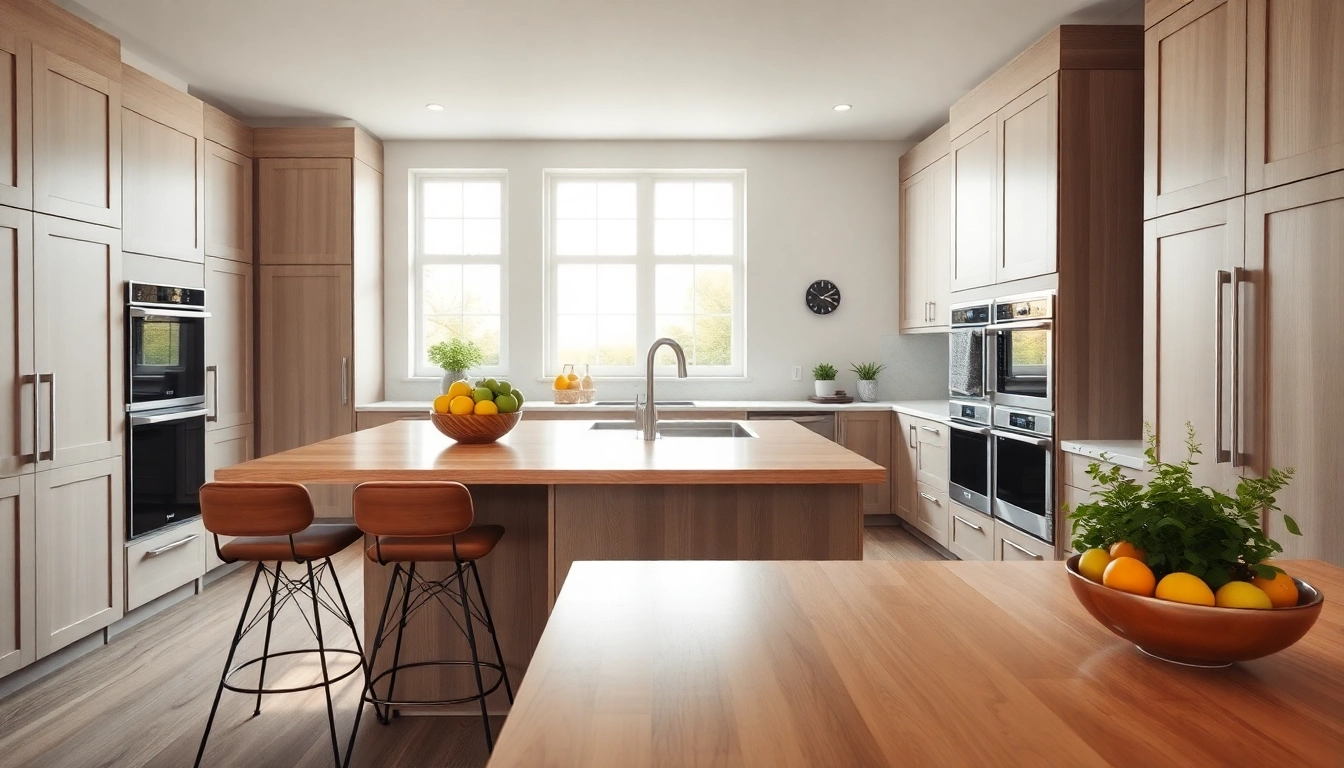
Kitchen and bathroom remodels remain highly sought-after projects due to their potential for high returns on investment. Contemporary innovations include open layout designs that foster social interaction, multifunctional islands, and smart home technology that enhances convenience and energy efficiency. In bathrooms, luxurious features such as soaking tubs, heated floors, and state-of-the-art fixtures can elevate the experience and increase home value.
Eco-Friendly Remodeling Options
As sustainability continues to gain traction, eco-friendly remodeling options are more popular than ever. Homeowners are increasingly incorporating sustainable materials (like bamboo flooring or recycled glass countertops) and energy-efficient systems (such as smart thermostats or solar panels). Not only do these options minimize environmental impact, but they often lead to significant cost savings on utilities in the long run.
Maximizing Space with Smart Designs
Smart design is crucial in maximizing space, particularly in smaller homes or urban settings. Innovative storage solutions, like built-in shelves, under-stair cabinets, and multifunctional furniture can significantly enhance usability. Open shelving in kitchens and adjustable furniture in living areas allow for versatility. It’s also important to consider the flow of the design; spaces should be interconnected while still providing a sense of privacy and functionality.
Challenges in the Remodeling Process
Common Pitfalls to Avoid
Remodeling is a complex undertaking, and there are several common pitfalls that can derail a project:
- Underestimating Costs: Always prepare for additional expenses by padding your budget and being realistic from the outset.
- Lack of Planning: Jumping into a project without a clear plan can lead to disorganization and inefficiency, often resulting in costly mistakes.
- Poor Communication: Misunderstandings between homeowners and contractors can lead to unmet expectations. Regular updates and open lines of communication are vital.
Dealing with Permits and Regulations
When embarking on remodeling projects, navigating local building codes and permits is crucial. Research what permits are required for your specific project; some renovations may necessitate inspections or adhere to certain codes. Failing to obtain the proper documentation can result in severe fines or even mandatory demolition of recently completed work. Working with knowledgeable professionals can help streamline this process.
Managing Timelines Effectively
Effective timeline management can be one of the most challenging aspects of remodeling. To keep your project on track, develop a detailed schedule with your contractor that outlines all phases of the project, from design to completion. Regularly check on progress and be proactive about addressing any delays as soon as they arise. Keep in mind that weather, supply chain issues, and unforeseen problems can affect timelines, so remain flexible and patient throughout the process.
Measuring Remodeling Success
Tracking Budget vs. Actual Spending
Once your remodel is complete, it's essential to assess how well the project adhered to the initial budget. Create a detailed report that outlines all expenses incurred throughout the process and compare it with the original budget. This exercise will help you understand where overspending occurred and provide valuable insights for future projects.
gauging Home Value Increase
One of the most significant indicators of remodeling success is the increase in home value. Conduct a comparative market analysis before and after the remodeling to determine how the changes have affected your property’s worth. Partnering with a real estate agent can provide an accurate appraisal and market insights that validate your investment in remodeling.
Gathering Feedback from Family and Friends
Feedback from family, friends, and even neighbors can serve as a valuable gauge of your remodeling project’s success. Host a gathering to showcase your transformed spaces, encouraging conversations and discussions about their experiences. Not only will this celebrate your success, but it also provides an opportunity to collect valuable feedback that can inform any future projects.
FAQs About Remodeling
1. How long does a typical remodeling project take?
The duration of a remodeling project can vary significantly depending on its complexity. Simple projects might take a few weeks, while extensive renovations can last several months.
2. How can I ensure I stay within budget during remodeling?
Create a detailed budget and include a contingency for unexpected costs. Regularly update your expenses and communicate these with your contractor to stay on track.
3. What types of remodeling projects offer the best return on investment?
Kitchens and bathrooms typically offer the highest return on investment, followed closely by adding living space or enhancing curb appeal through exterior upgrades.
4. Do I need permits for my remodeling project?
Many remodeling projects require permits. Check with your local government or your contractor to ensure compliance with all regulations.
5. How can I visualize my remodeling design before starting?
Utilize design software, create mood boards, or consult with a designer to visualize your ideas and ensure they align with your goals.