Understanding Construction Fundamentals
Construction is a multifaceted industry that encompasses a wide range of activities, skills, and practices involved in the creation of infrastructure, buildings, and other projects. From residential properties to commercial spaces, the construction sector is vital to economic development and societal growth. The array of processes involved and the multitude of stakeholders make a comprehensive understanding of construction essential for anyone involved in or interested in the industry.
What Is Construction?
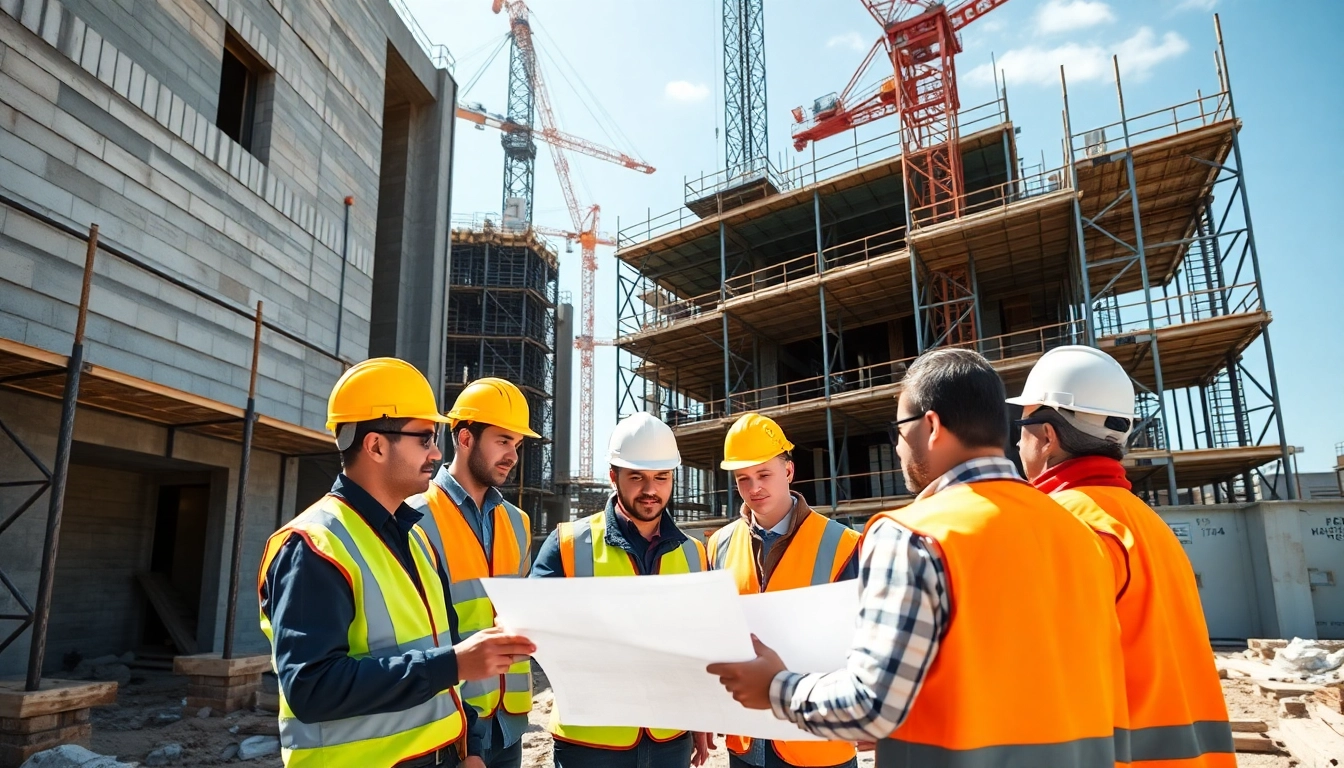
At its core, construction refers to the act of assembling or building structures. It can be segmented into several categories: residential, commercial, industrial, and civil construction, each with its own set of processes, regulations, and goals. The process typically includes planning, design, financing, and execution, culminating in the finished product or structure. Skilled laborers, tradespeople, and project managers all play pivotal roles in realizing construction projects, ensuring that they meet both aesthetic and functional requirements.
Key Players in the Construction Industry
The construction industry comprises various key players who contribute to the successful completion of projects. Major stakeholders include:
- Owners/Developers: Individuals or companies that finance and oversee construction projects.
- Architects: Professionals who design buildings and other structures with a focus on aesthetics and functionality.
- Contractors: Entities responsible for the actual construction work, often managing subcontractors for specialized tasks.
- Subcontractors: Specialists who carry out specific aspects of a project, such as plumbing or electrical work.
- Suppliers: Companies providing the materials and resources needed for construction.
- Inspectors and Regulators: Authorities ensuring compliance with building codes and safety standards.
The Role of Construction Regulations
Construction regulations are vital to ensuring safety, quality, and environmental sustainability within the industry. Building codes, zoning laws, safety standards, and environmental guidelines dictate how projects are planned and executed. Compliance is not optional; failure to adhere can result in penalties, project delays, and safety hazards. Understanding these regulations is critical for project stakeholders, as they guide everything from site selection to final inspections.
Best Practices in Construction Management
Effective construction management hinges on robust practices that promote efficiency, safety, and quality throughout the project lifecycle. Emphasizing strategic planning and execution can lead to success in this dynamic environment.
Effective Project Planning Techniques
Successful construction projects begin with meticulous planning. Key techniques include:
- Defining Objectives: Establish clear goals and deliverables to guide project progress.
- Creating Detailed Work Breakdown Structures (WBS): Break projects into smaller, manageable components.
- Scheduling: Use tools like Gantt charts to visualize timelines and deadlines.
- Stakeholder Engagement: Involve all relevant parties early in the planning process to align expectations.
- Resource Allocation: Ensure adequate materials, labor, and equipment are scheduled to avoid bottlenecks.
Budgeting and Cost Control Strategies
Budgeting is crucial to ensuring that projects remain financially viable. Implementing strategic cost control measures can include:
- Detailed Estimates: Create comprehensive initial budgets that account for all projected expenses.
- Contingency Planning: Set aside funds to address unforeseen expenses that can arise.
- Regular Monitoring: Track spending against the budget frequently to identify discrepancies early.
- Negotiation with Suppliers: Foster relationships to secure cost-effective materials without compromising quality.
Risk Management in Construction Projects
Risk management is a critical aspect of construction management, focusing on identifying and mitigating potential project threats. Strategies include:
- Risk Assessment: Regularly evaluate possible risks, including safety hazards, design flaws, and financial issues.
- Developing Contingency Plans: Prepare strategies to address scenarios if risks materialize.
- Communicating with Stakeholders: Keep all parties informed to quickly resolve issues as they arise.
Innovative Technologies in Construction
The construction industry is experiencing a technological revolution, with new tools and methodologies enhancing productivity, safety, and quality. Embracing innovation is crucial for maintaining competitiveness.
Use of Building Information Modeling (BIM)
Building Information Modeling (BIM) has transformed how construction projects are planned and executed. This digital representation of physical and functional characteristics enables stakeholders to visualize the project before breaking ground. BIM promotes collaboration among architects, engineers, and contractors, reducing errors and enhancing efficiency. Key benefits include streamlined communication, improved scheduling, and cost savings through better resource management.
Advancements in Construction Materials
There’s a growing trend towards the use of advanced materials that not only improve the sustainability of buildings but also enhance their durability and functionality. Innovations such as self-healing concrete, lightweight steel, and green insulation materials are gaining traction. These advancements help address common construction challenges, reduce environmental impact, and provide long-term cost savings to owners and developers.
Impact of Drones and AI in Construction
Technology like drones and artificial intelligence (AI) is rapidly changing the construction landscape. Drones facilitate aerial site surveys, improving safety and accuracy in mapping and terrain analysis. AI algorithms can analyze data from various stages of construction to optimize scheduling, predict project risks, and assess worker productivity. Together, these technologies enhance decision-making and project execution, making construction safer and more efficient.
Sustainability in Construction
As environmental concerns continue to rise, sustainable construction practices have gained prominence. The focus is not just on green building but also on creating structures that are efficient, eco-friendly, and cost-effective in the long term.
Eco-friendly Building Practices
Adopting eco-friendly practices is essential for reducing the environmental footprint of construction projects. Techniques may include:
- Energy-efficient Designs: Incorporate natural light and ventilation to reduce energy consumption.
- Use of Recycled Materials: Source materials that are sustainable and minimize waste.
- Water Conservation Techniques: Implement systems that efficiently manage water usage and reduce waste.
Understanding LEED Certification
Leadership in Energy and Environmental Design (LEED) certification is a globally recognized symbol of sustainability achievement. Buildings can obtain LEED certification by complying with specific criteria across various categories, including energy efficiency, water management, and indoor environmental quality. This certification not only verifies a building’s sustainability but also enhances its marketability and can lead to financial incentives.
Long-term Benefits of Sustainable Construction
Investing in sustainable construction practices can yield substantial long-term benefits, including:
- Cost Savings: Reduced energy and water bills contribute to overall savings.
- Enhanced Property Value: Sustainable buildings tend to attract premium prices in the marketplace.
- Regulatory Compliance: Adopting green practices helps meet current and future regulations more easily.
Evaluating Construction Project Performance
Assessment of construction project performance is crucial for ensuring that objectives are met efficiently and effectively. Implementing performance metrics fosters accountability and continuous improvement.
Key Performance Indicators for Construction
Key Performance Indicators (KPIs) are essential for measuring project performance. Some commonly used KPIs include:
- Schedule Variance: Track whether projects are on schedule compared to the initial timeline.
- Cost Performance Index (CPI): Evaluate cost efficiency by comparing earned value against actual costs.
- Quality Metrics: Measure adherence to quality standards through inspections and reporting.
Post-Project Analysis and Reporting
Conducting post-project analyses helps identify successes and areas for improvement. Key steps involve compiling comprehensive reports detailing performance against objectives, stakeholder feedback, and lessons learned throughout the project lifecycle.
Continuous Improvements in Construction
Embracing a culture of continuous improvement can lead to significant advancements in construction project outcomes. This may involve using feedback loops to refine processes, investing in training for staff, and embracing new technologies that further enhance productivity and safety.
FAQs
What are the main types of construction?
The main types include residential, commercial, industrial, and civil construction, each focusing on different building purposes and methodologies.
How do I start a construction project?
Begin by defining the project scope, conducting feasibility studies, creating a budget, and assembling a reliable team that includes architects and contractors.
What is the role of project managers in construction?
Project managers oversee planning, execution, and completion of construction projects, ensuring they stay on schedule and within budget while meeting quality standards.
Why is risk management important in construction?
Risk management helps identify potential challenges before they become issues, allowing teams to mitigate them effectively and keep projects on track.
What are sustainable construction practices?
Sustainable practices include using eco-friendly materials, improving energy efficiency, and ensuring that construction projects minimize their environmental impact.