
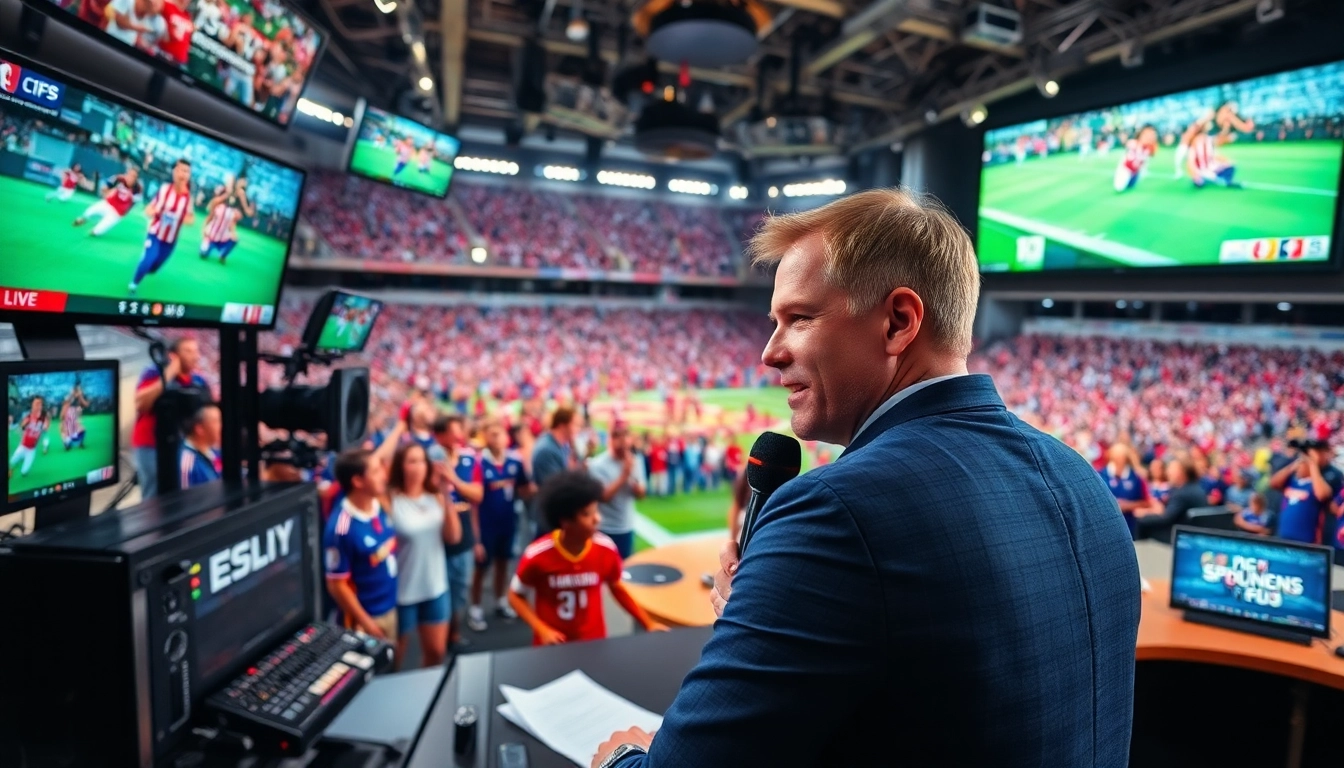
Understanding Sports Broadcasting Basics
Definition and Importance of Sports Broadcasting
Sports broadcasting is the dissemination of sports-related content through various media channels, including television, radio, online platforms, and social media. This field plays a crucial role in enhancing viewer engagement by bringing live events, commentary, analysis, and highlights to audiences worldwide. As sports continue to captivate fans, the importance of Sports Broadcasting for generating revenue and promoting team brand loyalty becomes increasingly clear.
Key Components of Sports Broadcasting
A successful sports broadcast relies on several components, including the following:
- Commentary: Experts provide insights, play-by-play narration, and analysis to enhance the viewer's understanding of the game.
- Visual Content: High-definition video feeds, camera angles, and graphics are pivotal in delivering exciting experiences.
- Production Teams: Skilled professionals handle audio, visual, and technical aspects to ensure a seamless broadcast.
- Marketing and Promotion: Strategies to attract viewers, sponsorship deals, and partnerships are essential for a broadcast's success.
Types of Sports Broadcasts
Sports broadcasts can be categorized into several types:
- Live Broadcasting: Real-time coverage of sporting events.
- Highlight Shows: Compilations of key moments from various sports.
- Documentaries and Analysis: In-depth programs focusing on athletes, teams, and seasons.
- Social Media Streaming: Casual broadcasts on platforms like Instagram and YouTube, often featuring fan engagement.
How Technology Influences Sports Broadcasting
Emerging Technologies Impacting Sports Broadcasting
Technological advancements have revolutionized the sports broadcasting industry. Innovations such as augmented reality (AR), virtual reality (VR), and enhanced graphics engage viewers like never before. For example, AR can overlay critical statistics during live gameplay, giving fans real-time insights that enhance their viewing experience.
Streaming vs. Traditional Broadcasting
The shift from traditional broadcasting to streaming services has been one of the most significant changes in the industry. Streaming platforms offer flexibility, allowing viewers to watch from any device and often at their convenience. This has led to an increase in audience reach and a challenge for traditional providers to adapt their business models.
Tools to Enhance Viewing Experience
Several tools are designed to enhance the viewing experience, including:
- Interactive Graphics: These provide real-time stats and polls during live events, making viewers feel more involved.
- Second-Screen Experiences: Mobile applications can offer additional content while watching broadcasts, such as player stats or social media interactions.
- Enhanced Audio Options: Viewers can choose between different commentary options or even listen in on team communications.
Career Opportunities in Sports Broadcasting
Essential Skills for Aspiring Broadcasters
A career in sports broadcasting requires various skills, including strong communication abilities, a deep understanding of sports rules and regulations, technical knowledge about broadcasting technology, and the ability to work under pressure. Networking is also crucial in breaking into this competitive industry.
Common Career Paths in Sports Broadcasting
There are several career paths one might pursue in sports broadcasting:
- Sportscasters: These professionals provide live commentary during games.
- Producers: They oversee the development and production of sports shows.
- Analysts: They specialize in providing expert insights and dissecting plays.
- Camera Operators: These individuals capture the action on-screen, ensuring high-quality visuals.
Networking and Professional Growth
Building a robust professional network is vital for career growth in sports broadcasting. Attending industry conferences, engaging in social media discussions, and seeking internships can help aspiring broadcasters make valuable connections. Learning from mentors and collaborating within community sports also boosts visibility and opens doors to opportunities.
Challenges Facing Sports Broadcasting
Navigating Broadcasting Rights and Regulations
Broadcasting rights are often complex due to exclusive contracts between leagues and networks, which can lead to restricted accessibility for viewers. Understanding the legal framework and regulations about licensing is essential for broadcasters to avoid pitfalls while ensuring compliance.
Adapting to Changing Audience Preferences
Today's audiences prefer more diverse content formats and on-demand viewing options. Broadcasters need to stay up-to-date with trends in viewer preferences and adapt their offerings accordingly. Engaging audiences through social media and interactive platforms is key to maintaining relevance.
Managing Live Event Broadcasts
Live sports broadcasting involves numerous logistical challenges, from managing multiple camera feeds to handling unexpected interruptions. Effective planning, comprehensive communication among team members, and reliable technical support systems are critical to ensuring a successful live broadcast.
Future Trends in Sports Broadcasting
Predicting Changes in Viewer Engagement
Viewer engagement is continuously evolving, driven by changes in technology and preferences. Future trends may include increasing interactivity, where audiences can influence live broadcasts in real-time, via chat platforms or polls.
The Role of Social Media in Sports Broadcasting
Social media has become integral to sports broadcasting, allowing fans to interact in real-time, share content, and engage with athletes. This engagement fosters a sense of community and loyalty among fans, which can significantly influence ratings and viewer traffic.
Preparing for Interactive Broadcasting Experiences
As technology advances, sports broadcasters need to prepare for personalized and interactive viewing experiences. This may involve integrating artificial intelligence to tailor content based on viewing habits or providing immersive VR broadcasts that replicate the stadium experience at home.
Frequently Asked Questions
What is sports broadcasting?
Sports broadcasting refers to the distribution of sports content, including live events, commentary, and analysis via television, radio, and online platforms.
What skills do I need for a career in sports broadcasting?
Essential skills include strong communication, in-depth sports knowledge, technical proficiency, and the ability to work well under pressure.
How has technology changed sports broadcasting?
Technology has enhanced viewer experiences through VR, AR, streaming services, and interactive tools, making broadcasts more engaging and accessible.
Where can I find networking opportunities in sports broadcasting?
Networking opportunities can be found at industry conferences, through social media platforms, and by participating in community sports events or internships.
What are the future trends in sports broadcasting?
Future trends include increased interactivity, personalized content, and the continued influence of social media in shaping viewer engagement.